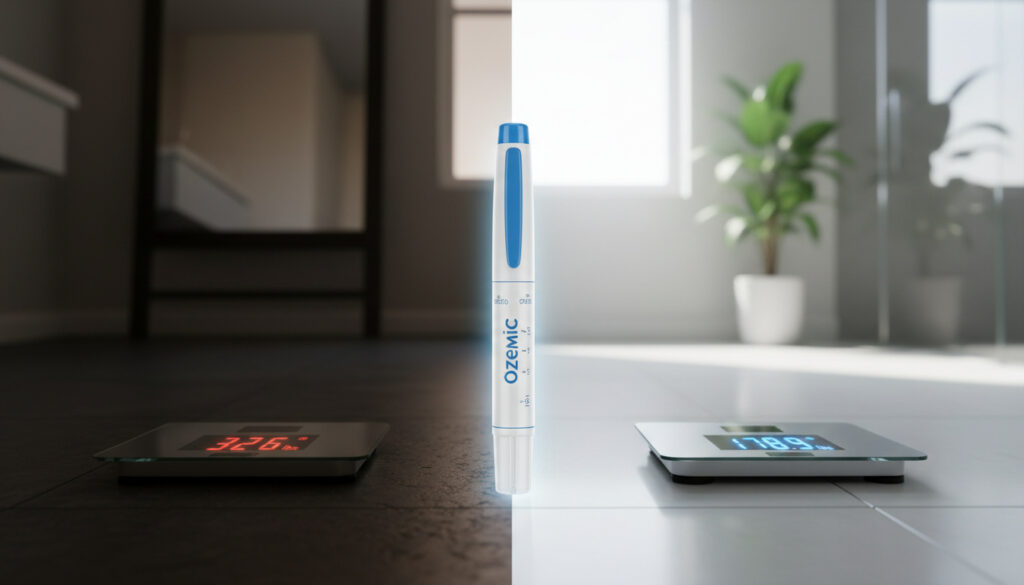
Ozempic Before and After – Real Patient Results
Introduction
The emergence of semaglutide medications has fundamentally altered the landscape of weight management and metabolic health. What began as a treatment for type 2 diabetes has evolved into one of the most discussed pharmaceutical interventions for obesity, generating thousands of documented transformations across clinical and real-world settings. These changes extend far beyond numerical scales, encompassing shifts in energy levels, relationship with food, and metabolic markers that redefine what medical intervention can achieve.
Transformation Profiles
Documented outcomes vary significantly based on starting weight, metabolic health, and adherence to treatment protocols. Clinical data from the STEP trials demonstrate average reductions of 15-17% total body weight over 68 weeks, with individual results spanning from modest 5% losses to dramatic 30% reductions in severe obesity cases.
Photographic documentation reveals distinct patterns in facial adiposity reduction, often visible within the first eight to twelve weeks. Patients frequently report decreased abdominal circumference preceding actual scale movement, suggesting early improvements in visceral fat deposition. These visual changes correlate with improved insulin sensitivity markers measurable through laboratory testing.
Beyond aesthetics, functional transformations emerge consistently. Sleep quality improvements appear within the first month for many users, followed by enhanced mobility and reduced joint pain. Psychological shifts present equally significant changes, with documented reductions in food preoccupation and eating-related anxiety appearing alongside physical alterations.
Clinical Insights
Mechanistic understanding of these transformations centers on GLP-1 receptor agonism, which modulates appetite regulation through multiple pathways. The medication slows gastric emptying while simultaneously acting on hypothalamic satiety centers, creating a physiological environment conducive to sustained caloric reduction without the cognitive burden of traditional dieting.
Cardiovascular outcomes have garnered particular attention following the SELECT trial results, demonstrating reduced major adverse cardiac events among overweight patients with pre-existing heart disease. These findings suggest the transformations involve systemic benefits extending well beyond cosmetic considerations or simple weight metrics.
Metabolic adaptation patterns indicate that initial rapid water weight loss typically stabilizes into consistent fat mass reduction by week twelve. Longitudinal studies tracking body composition confirm preservation of lean muscle mass when combined with adequate protein intake and resistance training protocols.
Comparative Outcomes
| Timeframe | Average Weight Loss | Primary Observations | Patient-Reported Effects |
|---|---|---|---|
| Weeks 1-4 | 2-4% body weight | Reduced appetite, early glycemic stabilization | Decreased food noise, initial nausea adaptation |
| Weeks 5-12 | 5-8% body weight | Visible facial changes, clothing size reduction | Improved energy, better sleep quality |
| Weeks 13-24 | 10-12% body weight | Significant visceral fat reduction | Enhanced mobility, reduced inflammation |
| Weeks 25-52 | 15-17% body weight | Metabolic syndrome resolution | Sustained behavioral changes normalized |
| 52+ Weeks | Maintenance phase | Long-term cardiovascular benefits | Maintenance challenges emerging |
Detailed Mechanisms
The transformation process operates through distinct phases of physiological adaptation. Initial weeks involve pancreatic beta-cell rest and reduced glucagon secretion, creating immediate glycemic benefits for diabetic patients. Simultaneous delayed gastric emptying produces early satiety signals that naturally reduce meal frequency and portion sizes without conscious restriction.
Neurochemical changes account for psychological transformations frequently reported. Research published in Nature Reviews documents reduced activation in brain regions associated with reward processing when viewing high-calorie foods, effectively diminishing the obsessive food thoughts that previously dominated mental energy for many patients.
Hormonal recalibration extends to leptin and ghrelin signaling restoration, addressing the dysregulated hunger cues characteristic of obesity. This endocrine normalization explains why maintenance becomes challenging upon discontinuation, as physiological mechanisms driving appetite return to baseline without continued pharmaceutical support.
Timeline Variations
Individual response timelines demonstrate significant heterogeneity based on genetic factors, initial BMI, and concurrent health conditions. Patients with insulin resistance typically observe slower initial scale movement but dramatic improvements in energy and edema reduction. Conversely, those with higher baseline weights often experience rapid early losses that gradually plateau as they approach healthier compositions.
Gastrointestinal adaptation follows predictable patterns, with dosage escalation schedules designed to minimize discomfort while maximizing efficacy. Clinical guidance emphasizes that premature discontinuation due to temporary side effects prevents patients from reaching the maintenance phase where long-term benefits materialize.
Plateau phases commonly emerge around month six, requiring dosage adjustments or lifestyle modifications to reinitiate progress. These stalls represent metabolic adaptation rather than treatment failure, often resolving with strategic interventions addressing sleep quality, stress management, or resistance training introduction.
Expectation Management
Distinguishing between realistic outcomes and promotional exaggeration remains essential for prospective patients. Safety communications from regulatory bodies emphasize that these medications address obesity as a chronic condition requiring ongoing management rather than providing permanent cures.
Skin elasticity concerns represent frequently unanticipated aspects of rapid transformation. Loss of substantial subcutaneous fat occasionally leaves residual loose tissue, particularly in older patients or those with extended histories of obesity. These physical remnants require separate interventions or acceptance as markers of improved health status.
Psychological adjustment to altered body size and public perception presents challenges rarely discussed in initial consultations. Patients report navigating changed social dynamics, unwanted attention, or identity crises as their physical presence transforms faster than their self-concept adapts.
Long-term Analysis
Sustainability questions dominate current research priorities. Data regarding weight regain following cessation shows concerning trends, with patients typically recovering two-thirds of lost weight within twelve months of discontinuation. Longitudinal observations suggest that biological set points resist permanent alteration without continued pharmacological suppression.
Economic considerations influence transformation accessibility and sustainability. Treatment costs create barriers to indefinite continuation, forcing difficult decisions between financial strain and health maintenance. Insurance coverage variations produce unequal outcomes based on socioeconomic status rather than medical necessity.
Comparative effectiveness against bariatric surgery reveals interesting parallels. While surgical interventions produce greater absolute weight loss, pharmaceutical approaches offer reversibility and reduced procedural risks. Patient selection increasingly involves shared decision-making weighing these trade-offs against individual risk profiles and lifestyle factors.
Patient Perspectives
“The change wasn’t just about the numbers on the scale. After fifteen years of waking up thinking about what I’d eat for breakfast, lunch, and dinner, the silence in my head felt surreal. I had energy to play with my children for the first time in their lives.”
Long-term patient testimony, 18-month follow-up
“I wish someone had prepared me for the loose skin and the way people treated me differently. The physical transformation happened faster than my psyche could adjust. It took therapy to recognize myself in the mirror.”
Patient account regarding psychological adjustment period
“Coming off the medication felt like hunger returned with an amplify button pressed. The maintenance strategies I learned during treatment became crucial, but the biological drive to eat returned within weeks.”
Former patient describing discontinuation effects
Summary
Transformations facilitated by semaglutide medications represent genuine medical breakthroughs in obesity management, delivering documented physiological and psychological benefits for appropriate candidates. The documented changes encompass metabolic normalization, cardiovascular risk reduction, and quality-of-life improvements that validate these interventions as legitimate therapeutic options rather than cosmetic shortcuts.
However, these transformations demand realistic framing as ongoing management strategies rather than finite projects with definitive endpoints. The biological realities of appetite regulation, the economic constraints of indefinite treatment, and the psychological complexities of rapid body change all require integration into patient education and clinical expectations.
Future directions will likely focus on combination therapies addressing the muscle loss associated with rapid weight reduction and improved maintenance protocols preventing the regain patterns currently observed upon discontinuation. Clinical guidelines continue evolving as longitudinal data accumulates regarding optimal duration of therapy and strategies for sustainable lifestyle integration.
Frequently Asked Questions
How soon will I see visible changes after starting treatment?
Most patients notice initial reductions in bloating and facial fullness within the first month, with significant visible transformations typically emerging between weeks eight and twelve. Clothing size changes often precede substantial scale movement due to early visceral fat reduction and decreased water retention.
Will I regain weight if I stop taking the medication?
Clinical data indicates high probability of partial weight regain following discontinuation, typically returning to within two-thirds of original starting weight within twelve months. This reflects the return of appetite hormones to baseline levels rather than personal failure, suggesting that long-term success likely requires ongoing treatment or intensive behavioral maintenance protocols.
How does this compare to weight loss surgery outcomes?
Pharmaceutical interventions produce roughly 60-70% of the weight loss achieved through gastric bypass procedures, with the trade-off being reversibility and avoidance of surgical risks. Surgery maintains advantages for patients with severe obesity or metabolic syndrome requiring rapid intervention, while medications suit those seeking gradual modification without permanent anatomical alteration.
What happens to loose skin after significant weight loss?
Skin elasticity varies based on age, duration of obesity, and genetic factors. Younger patients with shorter obesity histories typically experience better tissue retraction, while older individuals or those with massive weight loss may require reconstructive procedures. Collagen supplementation and resistance training provide modest improvements but rarely eliminate excess tissue completely.
Can I maintain muscle mass while losing fat?
Preservation of lean tissue requires deliberate protein intake optimization and resistance training implementation. Without these interventions, approximately 30-40% of total weight lost may comprise muscle mass, compromising metabolic rate and physical function. Clinical protocols increasingly emphasize muscle-centric weight loss strategies alongside pharmaceutical intervention.
More related posts
 Premier League Table 2025 – Current Standings Arsenal Leads
 Houses for Sale Nottingham – West Bridgford Prices and Listings
 Prince Edward, Duke of Edinburgh: Life, Family & Role
 Ray Liotta’s Cause of Death, Ethnicity, and Co-Star Tributes
 Harry Potter Tour London – Best Studio and Walking Tours
 VW Tiguan R-Line: Reviews, Price & Ireland Availability
 Wool Shops Near Me – Top NYC Yarn Stores and Locations
 Europe Countries and Regions: 50 Nations and 4 UN Subregions
