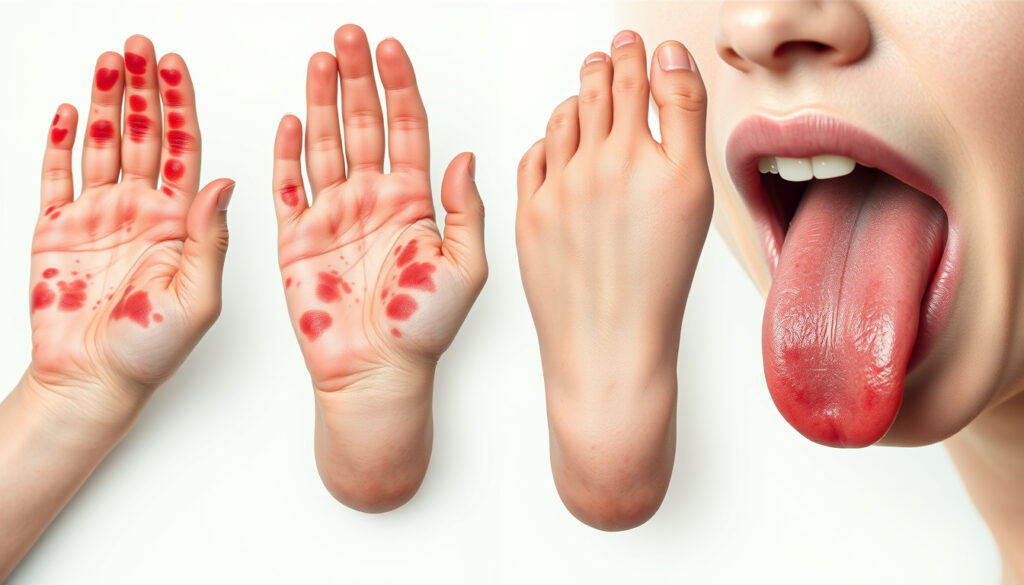
Hand, Foot and Mouth Disease Symptoms – First Signs and Stages
Hand, foot and mouth disease is a common viral infection that predominantly affects young children, particularly those between six months and four years old. The condition is caused primarily by coxsackievirus or enterovirus 71 and spreads easily through saliva, respiratory droplets, blister fluid, and fecal contact. While the illness can be uncomfortable, most cases resolve without lasting effects within a week to ten days.
Recognizing the early symptoms helps parents and caregivers respond promptly, manage discomfort, and reduce the risk of transmission to other children. Understanding the typical progression of the disease, how it manifests across different age groups, and when professional medical advice becomes necessary can make a significant difference in outcomes.
What Are the First Symptoms of Hand, Foot and Mouth Disease?
The initial signs of hand, foot and mouth disease often resemble those of a common cold, which can delay accurate identification. Symptoms typically emerge between three and six days after exposure to the virus, during a period known as incubation.
Common Symptoms
Fever, painful mouth sores, and characteristic rash on hands and feet
Affected Areas
Mouth, palms, soles, fingers, toes, and sometimes buttocks
Duration
7 to 10 days from first symptoms to full recovery
Contagious Period
Most infectious during the first week of illness
Key Things to Watch For
- Children under five experience the most pronounced symptoms
- Not every person develops every stage of the illness
- Some individuals may have mouth sores only, a condition called herpangina
- The rash is typically not itchy and heals without scarring
- Dehydration is a primary concern due to painful mouth ulcers
- Adults may carry the virus without showing any symptoms
| Symptom | Description | Typical Timing |
|---|---|---|
| Fever | Temperature ranging from 101 to 103 °F (38 to 39 °C), often the first sign | Days 1–2 |
| Sore throat | Accompanies fever in the early stage; may be mistaken for a cold | Days 1–2 |
| Reduced appetite | Often linked to throat discomfort and the onset of mouth ulcers | Days 1–2 |
| Mouth ulcers | Red spots or open sores on the tongue, gums, inner cheeks, and throat | Days 2–3 |
| Rash on extremities | Flat red spots or raised blisters on palms, soles, and fingers; may extend to buttocks and elbows | Days 3–5 |
| Blister formation | Small blisters measuring 2 to 10 mm with a red base; mildly uncomfortable but not intensely painful | Days 4–7 |
| Recovery | Blisters dry out and crust over; full healing occurs without scarring | Days 7–10 |
The timing and intensity of symptoms can differ from person to person. Some children may skip certain stages entirely, while others experience the full range of manifestations. Healthcare providers emphasize that the sequence described here represents a general pattern rather than a strict sequence that every patient will follow.
What Are the Stages of Hand, Foot and Mouth Disease?
Hand, foot and mouth disease progresses through distinct phases, each bringing different challenges for the affected child. Understanding these stages helps caregivers anticipate what comes next and respond appropriately at each point.
The Incubation Phase
During the incubation period, which spans roughly three to seven days after initial exposure, the virus reproduces within the body while producing no visible symptoms. This phase is deceptive because the infected person can already spread the disease to others even though they appear completely well. Daycare environments are particularly vulnerable during this period, as children interacting closely can transmit the virus before anyone shows signs of illness.
Early Systemic Symptoms
The illness typically announces itself through a fever ranging from 101 to 103 °F (38 to 39 °C), accompanied by a sore throat, fatigue, and a noticeable decrease in appetite. Some children develop a runny nose, stomachache, vomiting, or mild diarrhea during these first two days. These symptoms closely mimic those of a standard viral cold, which often leads parents to initially suspect a less concerning infection.
Appearance of Mouth Sores
Around days two and three, painful mouth ulcers begin to appear. These manifest as red spots or open sores on the tongue, gums, inner cheeks, and deep in the throat. The discomfort can cause excessive drooling in younger children, increased fussiness, and outright refusal to eat or drink. Maintaining adequate hydration during this phase is one of the primary concerns for caregivers managing the illness at home.
The Rash and Blister Stage
By day three or four, a characteristic rash emerges on the hands, feet, fingers, and toes. The rash may also appear on the buttocks, knees, elbows, and occasionally on the torso or genital area. It begins as tiny flat red spots measuring one to two millimeters, then progresses to raised blisters two to ten millimeters in diameter with a red base. Importantly, this rash is not typically itchy, distinguishing it from other childhood viral exanthems.
The appearance of the rash can vary depending on skin tone, appearing red, white, or gray. The condition heals without scarring in most cases, though the blisters may cause mild discomfort when pressure is applied to the affected areas.
Peak and Recovery
Days four through seven generally represent the peak of discomfort, with the greatest number of active sores and blisters present. Fever usually subsides by day three or four, but fatigue and irritability may persist throughout this window. By the recovery phase, spanning days seven through ten, the blisters begin to dry out and form crusts. Most children return to normal activity levels once this recovery period concludes, with full clearance typically occurring within ten days for otherwise healthy children.
Infants younger than two years may require additional time beyond the standard ten-day window to achieve full recovery. Parents should continue monitoring for signs of lingering discomfort or secondary infection during the healing phase.
Adults who contract the infection may experience the same sequence of symptoms but generally with less intensity. Many adults report only mild discomfort or no symptoms whatsoever, yet they can still serve as carriers who spread the virus to others. For more guidance on managing similar viral presentations, see our article on How to Get Rid of a Cold Sore in 24 Hours.
Hand, Foot and Mouth Disease Symptoms in Babies
Infants and young toddlers present unique challenges when dealing with hand, foot and mouth disease. The symptoms mirror those seen in older children but often appear in more amplified form, requiring heightened vigilance from parents and caregivers.
Heightened Vulnerability in Infants
Babies under six months and young toddlers experience a more severe version of the illness compared to older children and adults. Fussiness tends to be more pronounced, and the risk of dehydration increases substantially because painful mouth ulcers make feeding and drinking uncomfortable. The potential for complications is higher in this age group, making close monitoring essential throughout the course of the illness.
Recognizing Symptoms in Non-Verbal Children
Since infants cannot articulate what they are feeling, caregivers must rely on behavioral cues to identify distress. Signs to watch for include refusing the breast or bottle, excessive crying that does not respond to typical soothing methods, visible sores inside the mouth, and a noticeable decrease in wet diapers. The appearance of the characteristic rash on the hands and feet, combined with fever, provides additional confirmation of the diagnosis.
| Aspect | Babies and Young Children | Adults and Older Children |
|---|---|---|
| Severity | Often more intense; dehydration risk elevated | Milder presentation; some show no symptoms |
| Duration | Typically 7 to 10+ days | Usually 7 to 10 days or shorter |
| Affected areas | Hands, feet, mouth, and buttocks | Same areas; torso involvement possible |
Babies under six months old, immunocompromised children, and any child showing signs of severe dehydration—including no urine output for more than eight hours, a stiff neck, or extreme lethargy—require prompt medical evaluation. Fever exceeding 39 °C (102.2 °F) or lasting more than three days also warrants immediate professional assessment.
Treatment for Hand, Foot and Mouth Disease and Recovery Signs
No specific antiviral medication exists for hand, foot and mouth disease, so treatment focuses entirely on supportive care designed to manage symptoms and prevent complications. The body’s immune system naturally fights off the virus, with most cases resolving without medical intervention within the expected timeframe.
Managing Fever and Discomfort
Acetaminophen and ibuprofen, administered at age-appropriate dosages, help control fever and reduce pain associated with mouth sores and blisters. These medications should be given according to the dosing instructions on the packaging or as directed by a healthcare provider. Aspirin should never be given to children recovering from viral infections due to the risk of Reye’s syndrome.
Hydration and Nutrition
Maintaining fluid intake represents one of the most important aspects of home care. Cool liquids such as water, diluted juice, and electrolyte solutions help prevent dehydration. Soft, bland foods including yogurt, pudding, applesauce, and frozen popsicles are generally well tolerated and provide nourishment without irritating mouth ulcers. Parents should avoid offering acidic or spicy foods, as these can significantly increase discomfort.
Topical Care and Rash Management
Regarding the best cream for hand, foot and mouth disease, medical sources do not identify a single superior product. The rash tends to be non-itchy and self-resolving, meaning topical treatments are not typically required for the rash itself. Keeping the skin clean and dry helps prevent secondary bacterial infection. The critical advice from healthcare professionals is to avoid deliberately popping or rupturing blisters, as this introduces bacteria and can complicate healing.
Gentle cleansing with mild soap and water, followed by thorough drying, supports the natural healing process. Over-the-counter barrier creams may provide some comfort but are not considered essential treatment elements.
Recognizing Recovery Signs
Clear indicators that a child is recovering include the drying and crusting over of blisters, reduced fever, returning appetite, improved energy levels, and the gradual cessation of mouth pain. Once these signs appear, children can typically return to normal activities, though they may still carry the virus for a brief period.
Contagiousness persists until all blisters have completely resolved and fever has been absent for at least one day. The virus can continue to be shed through feces for several weeks after symptoms resolve, making thorough handwashing after diaper changes and toilet use particularly important. For additional information on managing viral conditions, see our article on Ozempic Before and After.
Day-by-Day Progression of Hand, Foot and Mouth Disease
The following timeline summarizes the typical progression of hand, foot and mouth disease in children. Individual experiences may vary, and not every child will follow this exact sequence or timing.
- Days 0–7 (Incubation): No visible symptoms; virus spreads through saliva, feces, and respiratory droplets; highly contagious in group settings.
- Days 1–2 (Early stage): Fever, sore throat, fatigue, and reduced appetite emerge; may include runny nose, vomiting, or mild diarrhea.
- Days 2–3: Fever continues; painful red spots and ulcers appear inside the mouth, causing drooling, irritability, and food refusal.
- Days 3–4 (Rash onset): Characteristic rash begins on palms, soles, fingers, and toes; may spread to buttocks and other areas; blisters begin forming.
- Days 4–7 (Peak): Maximum discomfort from active sores; fever typically resolves by day 3–4; fatigue and fussiness may persist.
- Days 7–10 (Recovery): Blisters dry and crust over; mouth sores heal; appetite and energy levels return to normal.
The symptoms and stages described represent the most common pattern observed in young children. Some children may experience only one or two stages, while others progress through all of them. Adults typically experience a much milder version of this timeline.
What Is Established Versus Uncertain About This Illness
Medical authorities have established a clear understanding of many aspects of hand, foot and mouth disease, while certain details remain variable or incompletely understood.
What is well established
- The disease is caused primarily by coxsackievirus or enterovirus 71 strains
- Children under five face the highest risk of infection and more pronounced symptoms
- The illness follows a predictable progression from incubation through fever, mouth sores, and rash
- Most cases resolve without scarring within 7 to 10 days
- Transmission occurs through saliva, blister fluid, respiratory droplets, and fecal contact
- No specific antiviral treatment exists; care is supportive
- Strict hygiene practices reduce spread
What remains variable or less certain
- Exact timing of rash onset varies from person to person
- Some individuals never develop visible symptoms yet remain contagious
- The precise moment of peak contagiousness during the incubation period is not precisely defined
- Severity can differ substantially even among siblings in the same household
- The effectiveness of specific topical treatments has not been rigorously studied
How Hand, Foot and Mouth Disease Spreads and Who’s at Risk
Hand, foot and mouth disease spreads through multiple routes, making containment challenging, particularly in settings where young children interact regularly. The virus is present in the saliva, respiratory secretions, blister fluid, and feces of infected individuals, allowing transmission through direct contact with an infected person, contact with contaminated surfaces, and airborne droplet exposure during coughs or sneezes.
Young children in daycare and preschool settings experience the highest infection rates, largely due to the nature of their interactions and their still-developing hygiene habits. Children between six months and four years old represent the most commonly affected demographic, though older children, adolescents, and adults can also contract the infection. In adults, the illness frequently presents with minimal or no symptoms, which means they can unknowingly spread the virus to more vulnerable individuals.
Preventive measures center on rigorous hygiene practices, including thorough handwashing with soap and water, particularly after diaper changes and before food preparation. Disinfecting toys, doorknobs, and other commonly touched surfaces also helps reduce transmission. Children diagnosed with the illness should remain home until fever resolves and all blisters have dried, minimizing opportunities to infect others.
Sources and Expert Guidance
Healthcare organizations worldwide provide consistent guidance on hand, foot and mouth disease, reflecting broad agreement on its causes, progression, and management.
“Hand, foot and mouth disease typically begins with a fever, reduced appetite, sore throat, and a general feeling of unwellness. Painful mouth ulcers then appear, followed by a characteristic skin rash on the hands and feet.”
— Mayo Clinic
“Symptoms include painful mouth ulcers, fever, and a rash with blisters on the hands, feet, and sometimes buttocks. Most children recover within 7 to 10 days without specific treatment.”
— Cleveland Clinic
For more detailed information, consult resources from the World Health Organization, the American Academy of Pediatrics, and the American Academy of Pediatrics HealthyChildren platform.
Summary and Key Takeaways
Hand, foot and mouth disease is a common, self-limiting viral illness that predominantly affects young children under five years old. The condition progresses through distinct stages: an incubation period, early flu-like symptoms, the appearance of painful mouth ulcers, a characteristic rash on the hands and feet, a peak period of discomfort, and ultimately a recovery phase lasting seven to ten days.
Management focuses on supportive care, with particular attention to hydration, fever control through age-appropriate medications, and gentle oral care. The rash requires no specialized cream and heals without scarring. Warning signs such as prolonged fever, dehydration, extreme lethargy, or symptoms extending beyond ten days should prompt consultation with a healthcare professional.
While the illness can be distressing for both children and caregivers, the vast majority of cases resolve completely with appropriate home care and do not result in lasting complications. Maintaining good hygiene practices and understanding the typical progression of the disease help families navigate the experience with greater confidence.
Best cream for hand, foot and mouth disease?
No specific cream is identified as the best option. The rash tends to resolve on its own without scarring and is not itchy, so treatment emphasizes supportive care, hydration, and fever management rather than topical products. Keeping blisters clean and avoiding rupture prevents secondary infection.
How long does hand, foot and mouth disease last?
Most cases resolve within 7 to 10 days from the appearance of initial symptoms. Infants under two years may need additional time to fully recover, and individual experiences vary based on overall health and age.
Is hand, foot and mouth disease contagious?
Yes. The virus spreads through saliva, respiratory droplets, contact with blister fluid, and fecal material. Patients are most contagious during the first week and may continue shedding the virus through feces for several weeks after recovery.
When should I take my child to the doctor?
Medical attention is needed if fever exceeds 39 °C (102.2 °F), lasts more than three days, or if the child shows signs of dehydration, extreme lethargy, or a stiff neck. Symptoms persisting beyond ten days also warrant professional evaluation.
Can adults get hand, foot and mouth disease?
Adults can contract the infection, though symptoms are generally milder or absent entirely. Asymptomatic adults may still carry and transmit the virus to others, including young children who may experience more severe illness.
Does the rash scar after healing?
The rash typically heals without leaving any scars. Blisters usually dry out, form crusts, and disappear completely within the standard 7 to 10-day recovery window.
More related posts
 7ft Pre-Lit Christmas Tree – Best UK Picks and Guides
 Argentina vs Brazil Lineups: Latest News & Injury Updates
 England Cricket Team Players – Full Squad List by Format
 How to Cut Your Own Hair – Step-by-Step Beginner Guide
 Choi Min-young – Age Height Key Roles Full Bio
 HMRC May Fuel Charge Change 2025: Full Guide & Calculator
 What Is Hamilton About – Plot, True Story and Popularity
