How to Improve Gut Health: 5 Evidence-Based Steps to Try
Anyone who’s tried to eat more fiber, drink more water, or cut back on sugar already knows that improving gut health isn’t just about less bloating. It’s about how your energy, sleep, and even your mood respond to the trillions of bacteria living inside you. This guide cuts through colon cleanse hype and fad resets to focus on the five interventions that major health authorities consistently agree on — and exactly how to put them into practice.
Adults with low gut microbiome diversity: ~70% of Western populations ·
Fiber intake below daily recommendation: 95% of Americans ·
Probiotic foods linked to lower inflammation: 3+ servings/week ·
Stress reduction improves gut health: 8-week mindfulness program ·
Colon cleanse evidence rating: Insufficient — not supported by major medical bodies
Quick snapshot
- Increase fiber to 25-30g/day (ZOE)
- Drink 8-10 cups of water (Johns Hopkins Medicine)
- Reduce stress with 10-min meditation (PMC)
- Eat 30+ plant types per week (ZOE)
- Include fermented foods daily (Harvard Health)
- Get 7-9 hours of sleep per night (PMC)
- Ultra-processed foods (PMC)
- High-sugar beverages (Johns Hopkins Medicine)
- Excessive alcohol (Harvard Health)
- Microbiome changes detectable in 24-48 hours (PMC)
- Meaningful diversity improvements: 4-8 weeks (ZOE)
- Full recovery post-antibiotics: variable, diet-dependent (University of Chicago)
5 key facts, one takeaway: your gut microbiome responds fast to what you eat — but lasting change requires more than a weekend reset.
The data below confirms the gap between current habits and the intake needed for a resilient gut.
| Fact | Value |
|---|---|
| Gut bacteria species per person | 500-1000 (USDA ARS) |
| Fiber intake recommended by USDA | 25-30 grams per day (Johns Hopkins Medicine) |
| Water intake for digestive health | 1.5-2 liters per day (Johns Hopkins Medicine) |
| Fermented food servings for benefit | 1-2 servings per day (Harvard Health) |
| Time for microbiome to change after diet shift | 24-48 hours (PMC) |
How do I fix my gut health quickly?
Increase fiber intake
- Fiber is the primary fuel for gut bacteria — adults need 25-30 grams per day according to Johns Hopkins Medicine.
- High-fiber foods like nuts, vegetables, whole grains, beans, fruits, and nonstarchy vegetables act as prebiotics to support gut bacteria growth (GoodRx).
- A 2019 review of 42 studies found 39 confirmed whole grains are associated with more diverse gut microbiome (ZOE).
Hydrate properly
- Water prevents constipation and supports transit — Johns Hopkins Medicine recommends 1.5-2 liters per day for digestive health.
- Dehydration slows gut motility — adequate water intake helps fiber do its job (Johns Hopkins Medicine).
Reduce stress levels
- Chronic stress alters gut microbiome composition and disrupts gut barrier integrity, increasing inflammation (PMC).
- Mindfulness and stress reduction techniques improve the gut-brain axis and microbiota balance (ZOE).
The implication: the “quick fix” is real but fragile. Without sustained dietary diversity, the microbiome reverts. What feels fast is actually the start of a longer process.
What are the signs of an unhealthy gut?
Digestive symptoms
- Bloating, gas, diarrhea, and constipation are common indicators of an unhealthy gut (Johns Hopkins Medicine).
- Unintentional weight changes may indicate dysbiosis — an imbalance in gut bacteria (PMC).
Systemic symptoms
- Skin issues like eczema are linked to gut health through the gut-skin axis (PMC).
- Fatigue and sleep disturbances can be signs — poor sleep alters gut microbiota diversity and increases pathogenic bacteria (PMC).
A single bloated day is normal — but bloating plus fatigue plus skin issues forms a pattern that signals deeper microbial imbalance, not just what you ate for lunch.
The pattern: digestive and systemic symptoms overlap more than most people realize. If you have both, prioritizing gut diversity may address root causes rather than treating symptoms in isolation.
What is a 7 day gut reset?
Typical components of a gut reset
- A 7-day gut reset usually involves eliminating processed foods, sugar, and alcohol for a short period (Johns Hopkins Medicine).
- Many programs add probiotics, bone broth, and vegetable-heavy meals.
Evidence and risks
- Long-term dietary changes are more effective than short resets — 24-48 hours after a diet shift, microbiome composition changes, but lasting diversity requires consistent habits (PMC).
- Many gut reset programs lack rigorous scientific backing — no major health authority endorses a 7-day reset over sustained dietary diversity (Harvard Health).
A 7-day reset may reduce bloating short-term, but it’s the dietary habits you keep after day 7 that determine whether your gut actually heals. Without follow-through, the reset is just a temporary symptom mask.
The trade-off: a reset feels like progress, but the real work is in the post-reset lifestyle. If you can’t sustain the diet, the microbiome won’t sustain the benefits.
How do I detox my guts?
Natural colon cleanse methods
- The body has its own detoxification systems — the liver, kidneys, and gut work together to eliminate waste (Johns Hopkins Medicine).
- A fiber-rich diet supports natural detox by binding to toxins and moving them through the digestive tract (GoodRx).
Medical perspective on colon cleansing
- Colon cleansing can cause side effects including dehydration, electrolyte imbalance, and bowel perforation — it is not recommended by major health organizations (Johns Hopkins Medicine).
- Harvard Health states there is insufficient evidence that colon cleanses improve gut health.
The takeaway: colon cleanses sell hope, not results. The “detox” industry preys on people who want a quick fix, but the only proven path is everyday diet.
What to eat to improve gut health
Super six gut foods
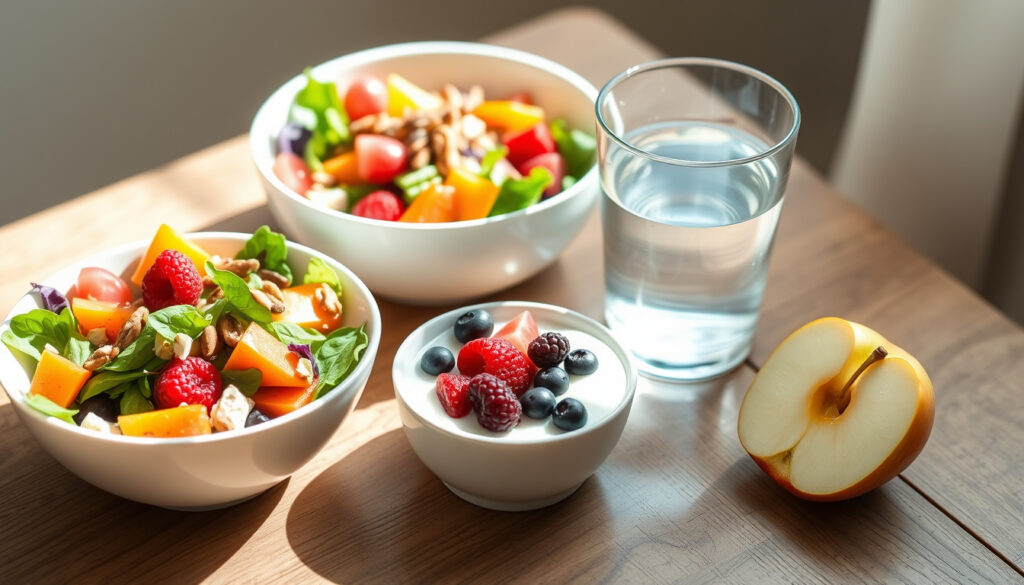
- Diverse plant foods promote diverse gut bacteria — aiming for 30 different plant types per week, in a “rainbow” of colors, increases fiber and polyphenol intake (ZOE).
- Fermented foods provide natural probiotics: yogurt, kefir, kimchi, sauerkraut, and kombucha add live microbes to the gut (Harvard Health).
- Beans high in fiber aid digestion and promote fullness — Nebraska Medicine recommends soaking them overnight to reduce gas.
- Avocados provide pectin fiber and healthy fats beneficial for gut health (Nebraska Medicine).
- Oats’ soluble fiber lowers cholesterol, aids blood sugar control, and supports gut health (Nebraska Medicine).
Worst foods for gut health
- High-fat and ultra-processed foods reduce microbiome diversity — the Western diet prevents gut microbiome recovery after antibiotics (University of Chicago).
- In contrast, a Mediterranean diet rich in healthy fats, vegetables, whole grains, and legumes enables quick recovery and supports gut bacteria diversity (University of Chicago).
The Mediterranean diet outperforms Western eating patterns for gut health at every level — more diverse microbiome, faster recovery after antibiotics, and lower inflammation markers. It’s the gold standard.
The implication: the “super six” are starting points, not the full picture. Real gut diversity comes from eating the rainbow across 30+ plant types weekly — and cutting ultra-processed fare.
Confirmed facts
- Fiber-rich diet improves gut microbiome diversity (PMC)
- Probiotics can reduce antibiotic-associated diarrhea (Harvard Health)
- Stress reduction positively affects gut microbiota (PMC)
- Low diversity is linked to higher inflammation marker levels (PMC)
What’s unclear
- Whether a 7-day gut reset provides lasting benefits (Harvard Health)
- Effectiveness of colon cleansing for overall health improvement (Johns Hopkins Medicine)
- Optimal probiotic strain and dose for general gut health (PMC)
“The evidence is clear that a balanced diet rich in fruits and vegetables provides the fiber needed to build good bacteria.”
Johns Hopkins Medicine (gastroenterology research group)
“Probiotics from yogurt and fermented vegetables add to your gut microbiota, potentially reducing inflammation and disease risk.”
Harvard Health (healthy aging division)
“After antibiotics, a Mediterranean-style diet enables quick recovery of the gut microbiome, while a Western diet prevents it.”
University of Chicago (biological sciences research)
A healthy gut isn’t built in a week. It’s built meal by meal, with fiber diversity the single most powerful lever available. For anyone dealing with persistent bloating, fatigue, or digestive discomfort, the evidence-backed path starts with a plate that’s heavy on plants, light on processing, and repeated every day. Bloated stomach: causes and relief can help you target the root cause faster if bloating already affects your daily life. For most people, the choice is clear: eat the rainbow, manage stress, sleep enough — or keep chasing resets that never stick.
Frequently asked questions
How long does it take to improve gut health?
Microbiome changes are detectable within 24-48 hours of a diet shift, but meaningful diversity improvements take 4-8 weeks of consistent habits (PMC).
Can probiotics help with bloating?
Some probiotic strains, particularly from fermented foods like yogurt and kimchi, may reduce bloating by supporting a balanced microbiome. However, optimal strains and doses are still unclear (Harvard Health).
Are there any risks to colon cleanses?
Yes — colon cleansing can cause dehydration, electrolyte imbalance, and bowel perforation. Major health organizations do not recommend it for routine gut health (Johns Hopkins Medicine).
What are the signs your gut is healing?
Reduced bloating, more regular bowel movements, improved energy, clearer skin, and better sleep quality are common signs of a healthier gut microbiome (PMC).
Do I need to take supplements for gut health?
Most people can get sufficient prebiotics and probiotics from whole foods — fiber and fermented foods — without supplements. The evidence for specific probiotic supplements is mixed (Harvard Health).
Is a gut reset the same as a detox?
No. A gut reset typically focuses on eliminating processed foods for a short period, while detoxes often involve laxatives or colon cleanses. Neither is supported as a long-term solution (Johns Hopkins Medicine).
Can stress really affect my gut health?
Yes — chronic stress disrupts gut barrier integrity and alters microbiota composition, increasing inflammation and reducing diversity (PMC).
More related posts
 Sunderland ‘Til I Die – Complete Seasons and Streaming Guide
 What Channel is the Celtic Game On? Premier Sports 1
 When Is Father’s Day in 2025 – UK and US Dates
 Did Ed Gein Have a Girlfriend – Truth About Adeline Watkins Claim
 Return to Silent Hill: 2026 Release, Trailer & Reviews
 Google Find My Device – How to Find Your Lost Android Phone
 NHS Pay Rise 2025: 3.6% Confirmed, Bands & Dates Guide
 Most Liked Instagram Post – Messi’s World Cup Record Tops All
